
The Future of Interactive Apps: Merging Fun, Focus, and Technology
Apps used to just get the job done: check your mail, count your steps, remind you of meetings. But today, they do so much more. They entertain, challenge, and reward us. The line between fun and function is fading fast.
Thanks to interactive design, apps now blend productivity with play, keeping users hooked through smart gamification, real-time feedback, and a touch of suspense. Every swipe, spin, and tap feels intentional, designed to keep us engaged and focused. The future of apps is not just about what they do but how they make us feel while doing it.
Case Study: How Online Roulette Platforms Master Engagement
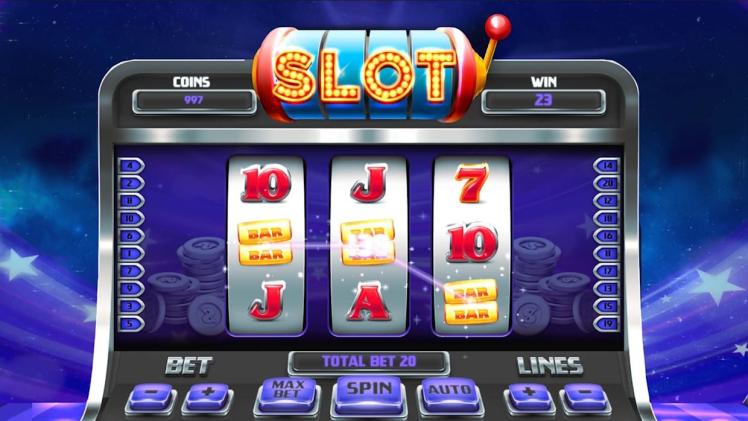
There is something magnetic about the moment right before the wheel stops spinning. That tiny pause, the mix of chance and control, is what keeps players coming back to an online roulette platform.
It is not only about winning; it is about the thrill of anticipation. These platforms skilfully combine suspense, interaction, and instant reward to hold attention in ways most apps can only aspire to.
That same psychology, the excitement of wondering “what happens next?”, is now shaping how businesses design apps across industries. Think about a finance app showing real-time investment results, a learning app that unlocks the next challenge, or a fitness tracker that celebrates each milestone like a game level.
This model proves one powerful truth: people crave engagement as much as results. By weaving in suspense and interactivity, developers create experiences that feel alive, where every click, spin, or scroll matters. The future of app design is not just functional; it is emotional, dynamic, and deeply human.
Beyond Functionality: Apps That Entertain While They Work
Today’s most innovative apps do more than complete a task; they make you want to use them. Fitness apps like Strava turn workouts into community games and leaderboard challenges. Habitica treats your to-do list like a role-playing game, allowing you to finish activities to level up and earn prizes.
With the language-learning app Duolingo, gamified goals and streaks motivate learners to return day after day.
These apps remind us that utility can coexist with fun. Progress bars, badges, visual feedback, and mini-challenges make everyday activities feel satisfying. Instead of simply checking off a box, users feel as if they are winning. The result is more engagement, greater loyalty, and apps that feel alive rather than just tools.
Real-Time Interaction and Personalisation
In a world where apps should feel like companions, real-time interaction and personalisation make the difference. AI and live analytics enable apps to adjust on the fly, changing content, difficulty, or visuals to match your current activity.
For example, Spotify uses advanced personalisation to deliver playlists that feel made for you rather than your demographic. Fitness apps now track your movements and adjust your next workout instantly.
Even customer-support tools offer live chats that adapt based on your clicks and tone. All this means more than utility; it builds an emotional connection. When an app knows you, responds instantly, and feels alive, it earns your loyalty and trust.
The Role of Suspense and Reward in User Retention
Small bursts of suspense and surprise are quietly transforming how apps and platforms keep us coming back. Micro-moments such as earning a badge, unlocking a spin, or revealing a progress bar tap directly into the brain’s reward system. Research shows that those tiny design touches trigger dopamine, the chemical that links action to reward.
When a user is unsure of what is next but senses that something good might happen, they are more likely to stay engaged. The unpredictability adds excitement; it is not just ticking off tasks, but playing the game.
Over time, these small, frequent rewards build loyalty. Rather than one big prize, it is the consistent, meaningful moments that matter. When those moments feel personal and timely, the psychological loop is complete: users enjoy the experience, expect more, and return.
Industries Reimagined Through Interactive Design
Interactive design is transcending apps and reinventing industries one sector at a time.
Interactive design is transcending apps and reinventing industries, one sector at a time. In education, tools built around interactive storytelling help learners explore, discover, and stay curious, not just memorise facts.
In finance, real-time trading apps now include gamified interfaces with badges, leaderboards, and challenges, making investing feel more active, engaging, and even fun. In healthcare and wellness, apps use visual feedback, progress tracking, and engaging experiences to keep users motivated and connected to their goals.
In retail, immersive technologies such as AR and VR enable shoppers to interact with products, visualise them in their own space, and feel more confident in their purchases. By blending interaction with utility, these approaches create a deeper connection and stronger retention. The app is not just used; it is lived.
The Next Chapter of App Experience
The future of apps is human at its core, built on emotion, curiosity, and connection. Real-time design, gamified rewards, and interactive storytelling are not just trends; they are the new language of engagement. Apps that evoke emotions will be the ones we remember, trust, and continue to use.