How Temperature Fluctuations Damage Concrete and What to Do About It
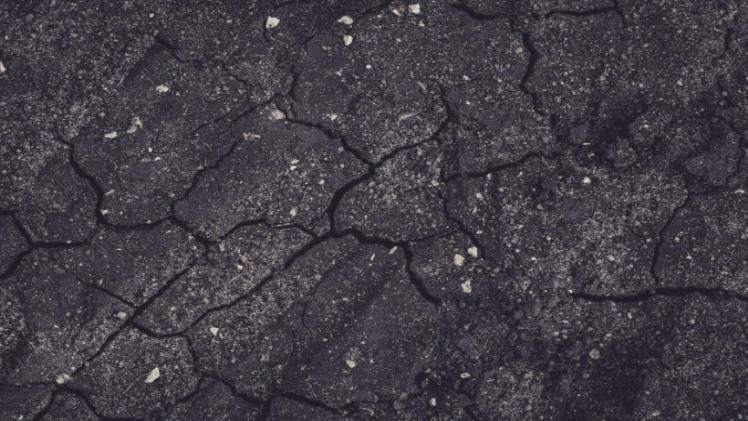
Concrete might seem indestructible, but temperature changes are one of its biggest enemies. Whether you’re managing a commercial facility or maintaining your home’s foundation, understanding how thermal stress affects concrete can save you thousands in repair costs. Concrete expands when heated and contracts when cooled, and while this might sound harmless, repeated expansion and contraction creates internal stress that weakens the material over time. A concrete slab can expand up to a quarter-inch for every 100 feet during a 100-degree temperature swing. When concrete can’t expand freely, it develops microcracks that grow with each temperature cycle, eventually becoming visible cracks that compromise structural integrity. The damage accelerates when moisture enters these cracks and freezes, expanding and forcing the cracks wider in what engineers call the freeze-thaw cycle.
Early Warning Signs of Thermal Damage
Catching temperature-related damage early makes the difference between simple maintenance and costly replacement. Watch for these indicators:
- Surface scaling or flaking – Especially after winter, this signals freeze-thaw damage
- Horizontal cracks – These often indicate thermal expansion stress
- Spalling – Chunks of concrete breaking away show advanced internal damage
- Joint failure – Cracks bypassing control joints mean thermal stress is overwhelming your concrete’s design limits
Protective Solutions That Work
Polyurethane coatings provide exceptional protection against temperature-related damage because of their unique flexibility. Unlike rigid coatings that crack under thermal movement, polyurethane systems expand and contract with the concrete substrate, preventing the coating itself from becoming a failure point while creating a waterproof barrier that blocks moisture infiltration. These coatings also offer superior UV resistance, shielding the concrete from both ultraviolet radiation and thermal extremes.
For high-demand environments, industrial floor coatings deliver the heavy-duty protection that commercial and manufacturing facilities require. Modern industrial floor coatings incorporate thermal shock resistance, meaning they can handle sudden temperature changes without delaminating or cracking. This matters enormously in facilities where hot machinery operates on cold concrete, or where refrigerated areas adjoin ambient temperature zones.
Investing in custom cabinets Milwaukee allows homeowners to personalize kitchens, bathrooms, and storage spaces with precision craftsmanship. Tailored layouts, premium finishes, and smart organization features ensure every cabinet fits perfectly while delivering durability, beauty, and maximum functionality for long-term use.
Maintenance Matters
Even well-protected concrete requires ongoing care. Regular inspections should occur at least twice annually—once before winter and once after the freeze-thaw season ends. Prompt repairs prevent small problems from becoming major failures, and joint sealants should be replaced when they show signs of deterioration, typically every five to ten years depending on exposure and traffic.
Wrapping Up
Temperature fluctuations will always challenge concrete durability, but they don’t have to shorten your structure’s lifespan. Understanding how thermal stress damages concrete and implementing comprehensive protection strategies keeps your investment solid for generations. Modern coating technologies have made protection more effective and longer-lasting than ever before, with quality systems now lasting fifteen years or more with minimal maintenance. Ignoring temperature-related concrete damage never saves money—minor cracks become major failures, and what might cost hundreds to address early can require tens of thousands once deterioration advances. Whether you’re protecting a home foundation or an industrial facility, the right combination of protective coatings and regular maintenance ensures that temperature changes remain a manageable factor rather than a destructive force.